Product Knowledge

Is Your Cold-Rolled Steel Coil Suitable for Deep Drawing or Simple Bending Applications?

2026-06-02 0 Leave me a message

As global industries continue to pursue higher production efficiency and better material performance of Cold-Rolled Steel Coil, Fujian Yintu Industrial Co., Ltd. highlights an increasingly important question facing fabricators and project planners: can the same steel coil successfully handle both deep drawing and simple bending requirements? Understanding this distinction can help avoid costly production issues and improve final product quality.

From automotive panels and electrical enclosures to roofing systems and appliance housings, steel coils serve different manufacturing purposes. Yet many projects still encounter unexpected cracking, springback, or surface defects simply because the selected material grade does not match the forming process.

Why Application Matching Matters More Than Ever

In modern fabrication environments, material selection is no longer just about thickness and price. The forming characteristics of steel have become equally important.

A sheet designed for a straightforward bend may perform poorly when subjected to deep drawing operations. Likewise, a highly formable material may be unnecessary for projects that only require simple folding or roll forming.

The challenge is that many end users focus primarily on dimensions and coating specifications while overlooking the steel's mechanical behavior during fabrication.

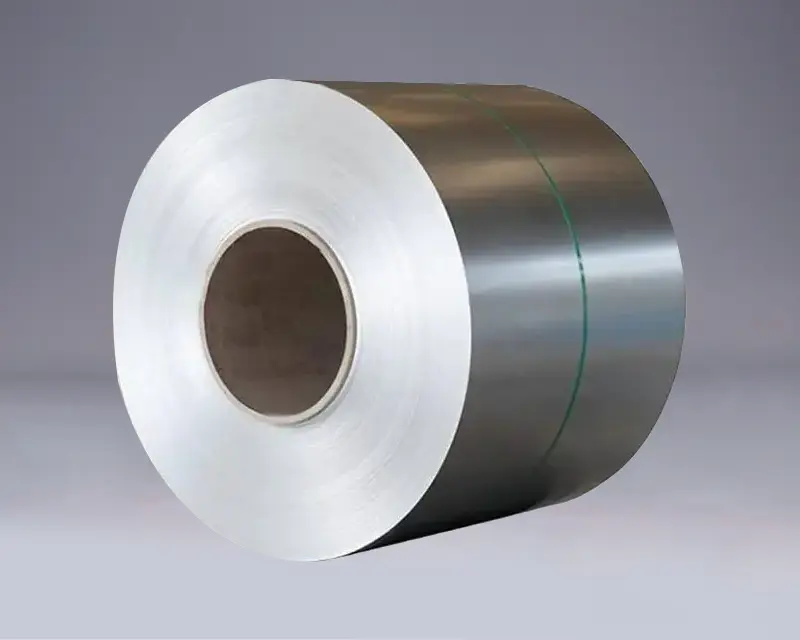
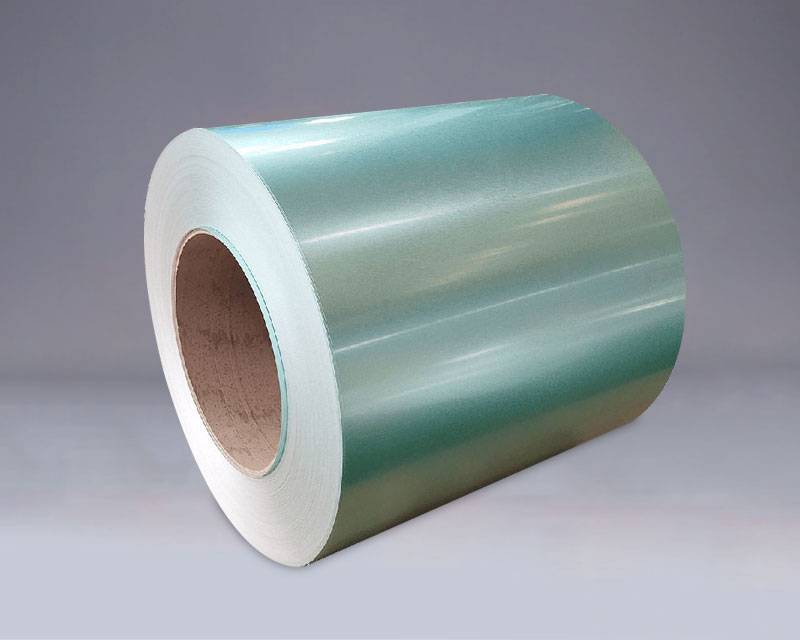
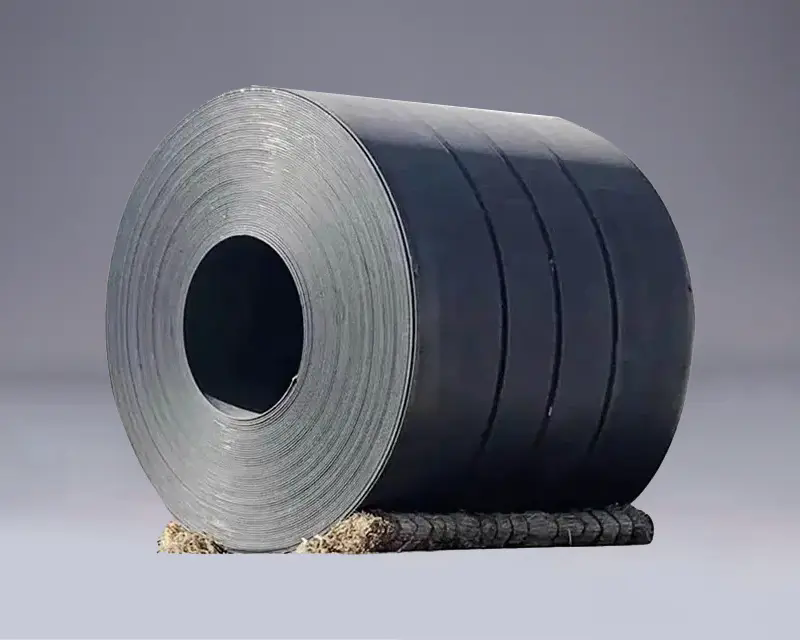
Cold-Rolled Steel Coil

Difference Between Deep Drawing and Simple Bending

Before selecting a steel grade, it is helpful to understand what these two common forming methods involve.

What Is Simple Bending?

Simple bending refers to operations where steel is folded along a straight line to create angles, channels, brackets, frames, or structural profiles.

Examples include:

- Metal cabinets
- Roofing panels
- Shelving systems
- Construction components
- HVAC ductwork

In these applications, the material undergoes limited deformation. The risk of stretching or thinning is relatively low.

As a result, standard commercial grades often provide sufficient performance.

What Is Deep Drawing?

Deep drawing is a much more demanding process.

It involves transforming flat steel sheets into complex three-dimensional shapes through significant stretching and compression.

Common examples include:

- Automotive body panels
- Washing machine drums
- Kitchen sinks
- Electrical appliance housings
- Metal containers

During deep drawing, the material must flow smoothly without tearing, wrinkling, or developing surface imperfections.

This requires steel with enhanced ductility and formability.

The Hidden Cost of Choosing the Wrong Grade

Production teams frequently encounter problems when steel grades are selected without considering forming requirements.

Typical issues include:

Problem Possible Cause
Edge cracking Insufficient ductility
Surface fractures Material overstressed during forming
Excessive springback Grade not optimized for bending
Wrinkles in drawn parts Improper formability characteristics
Increased scrap rate Material-process mismatch
Tool wear concerns Incompatible steel behavior

While these problems may appear during production, their root cause often begins at the material selection stage.

This is why understanding chemical composition and grade specifications is essential.

How Chemical Composition Influences Formability

The ability of steel to withstand forming operations depends greatly on its chemical makeup.

For example, lower carbon content generally improves ductility and formability.

The grades supplied within Fujian Yintu's portfolio demonstrate this principle clearly.

Typical Deep Drawing Grades

Grades such as:

- DC54D+Z
- DC56D+Z
- St06Z
- St07Z

feature extremely low carbon levels, often at or below 0.01%.

These grades are specifically developed for applications requiring significant deformation.

Their balanced chemistry of Cold-Rolled Steel Coil allows the material to stretch more uniformly during forming operations.

Commercial and General Forming Grades

Grades such as:

- DC51D+Z
- DX51D+Z
- SGCC

are commonly selected for general fabrication work.

They offer an excellent balance between strength, processability, and cost efficiency.

For projects involving standard bending, profiling, and roll forming, these grades are often sufficient.

Comparing Common Steel Grades

The following table provides a simplified overview.

Grade Formability Level Typical Applications
DC51D+Z Standard Roofing, ductwork, panels
DC52D+Z Moderate Light forming components
DC53D+Z Enhanced More complex shapes
DC54D+Z Deep Drawing Appliance housings
DC56D+Z Extra Deep Drawing Automotive and precision components
SGCC Commercial Construction and general fabrication
S350GD+Z Structural Load-bearing applications
S550GD+Z High Strength Structural systems and engineered projects

The table highlights that no single grade is ideal for every situation.

Selecting the right material means matching the steel's properties to the intended fabrication method.

Surface Quality Also Plays a Role

When discussing formability, attention often focuses on mechanical properties. However, surface quality can be equally important.

Deep drawing operations require smooth, consistent surfaces because imperfections may become amplified during forming.

Modern production lines equipped with advanced rolling, pickling, galvanizing, and coating technologies help ensure greater uniformity.

This consistency contributes to:

- Better appearance
- Reduced rejection rates
- Improved coating adhesion
- More predictable forming performance

For industries where visual quality matters, surface characteristics should be evaluated alongside strength and ductility.

Why Coated Steel Still Needs Good Formability

Galvanized and color-coated products are widely used because they provide corrosion protection.

However, coating performance alone does not guarantee successful forming.

A coated sheet must still possess adequate flexibility to accommodate shaping processes.

Otherwise, manufacturers may observe:

- Coating cracks
- Delamination
- Surface distortion
- Reduced aesthetic quality

This is why substrate selection remains critical, even when corrosion resistance is the primary project concern.

The underlying Cold-Rolled Steel Coil determines how effectively the finished product performs during fabrication.

Industry Trends Driving Better Material Selection

Several market developments are encouraging more informed steel specification decisions.

Lightweight Design

Many industries seek lighter products without sacrificing durability.

This trend requires materials that can be formed into complex geometries while maintaining structural integrity.

Higher Quality Standards

Consumers increasingly expect products with flawless finishes and consistent performance.

Material quality directly affects these outcomes.

Greater Production Automation

Automated production lines operate with less tolerance for material variability.

Consistent steel properties help reduce downtime and improve process stability.

Sustainability Goals

Reducing waste has become a priority across many sectors.

Choosing the correct Cold-Rolled Steel Coil from the beginning can minimize scrap generation and improve resource efficiency.

Questions to Ask Before Selecting Steel Coil

To avoid unnecessary production challenges, project teams should consider several key questions:

1. How Much Forming Is Required? - Simple bends and folds require different material characteristics than deep-drawn parts.

2. Is Surface Appearance Important? - Products visible to consumers may need tighter surface quality requirements.

3. Will the Material Be Coated or Painted? - Substrate quality influences coating performance and final appearance.

4. What Strength Level Is Needed? - Higher strength is not always better if formability is the primary requirement.

5. What Production Method Will Be Used? - Stamping, roll forming, bending, and deep drawing all place different demands on steel.

Answering these questions early can significantly improve project outcomes.

Building Confidence Through Integrated Production

One factor increasingly valued across the steel industry is production consistency.

Facilities that integrate rolling, galvanizing, color coating, pickling, and finishing processes within a unified production system can maintain tighter quality control throughout manufacturing.

With a total investment of RMB 580 million and production facilities covering more than 57,000 square meters in Xiamen, Fujian Yintu Industrial Co., Ltd. operates multiple production lines including cold rolling, hot-dip galvanizing, color coating, pickling, and electrophoresis processing. This integrated approach supports stable product quality across a broad range of steel coil solutions.

Such consistency becomes particularly important when materials are destined for demanding forming operations where even minor variations can influence performance.

Looking Ahead

As fabrication technologies continue to evolve, material selection will play an even larger role in manufacturing efficiency and product quality. The distinction between deep drawing grades and general bending grades may appear subtle on paper, but in real-world production environments it can determine whether a project runs smoothly or faces costly setbacks.

Understanding steel chemistry, formability requirements, surface quality expectations, and processing methods enables more informed decisions from the start. Whether a project involves appliance housings, construction panels, automotive components, or architectural systems, selecting the appropriate Cold-Rolled Steel Coil for the intended forming process remains one of the most practical ways to improve reliability and reduce production risks.

For industries seeking balanced performance across cold-rolled, galvanized, color-coated, stainless steel, and aluminum coil applications, Fujian Yintu Industrial Co., Ltd. continues to contribute to the ongoing conversation about smarter material selection and manufacturing efficiency.

Related News
Leave me a message
X
We use cookies to offer you a better browsing experience, analyze site traffic and personalize content. By using this site, you agree to our use of cookies. Privacy Policy
Reject Accept