Whatsapp
SPCC SD cold rolled steel coil is widely used in general metal fabrication, appliance components, cabinets, enclosures, and other products requiring consistent dimensions and a relatively smooth surface. Classified under the JIS G 3141 cold rolled steel standard, SPCC is a commercial-quality grade, while the SD designation commonly indicates standard temper and a dull surface finish. Actual properties depend on the applicable standard, material condition, thickness, and supplier specifications. This guide explains how the grade is identified, what benefits cold rolling offers, how SPCC-SD compares with other finishes and grades, and what buyers should check before placing an order. For importers, distributors, and manufacturing companies, understanding these details helps reduce processing problems and improve purchasing decisions.
Manufacturers often need steel that can be processed efficiently, supplied in consistent dimensions, and finished to meet the requirements of downstream products. For many general-purpose applications, cold rolled steel offers a practical combination of surface quality, dimensional control, and forming performance.
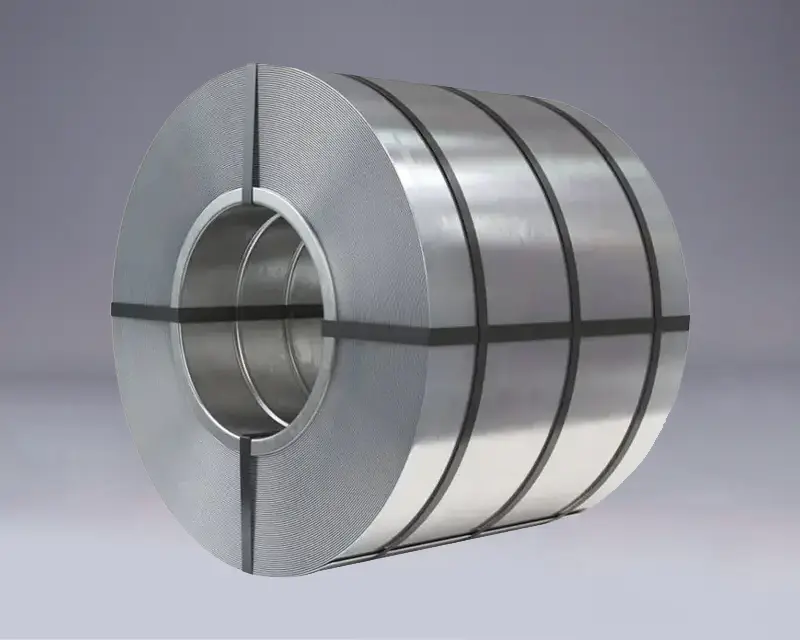
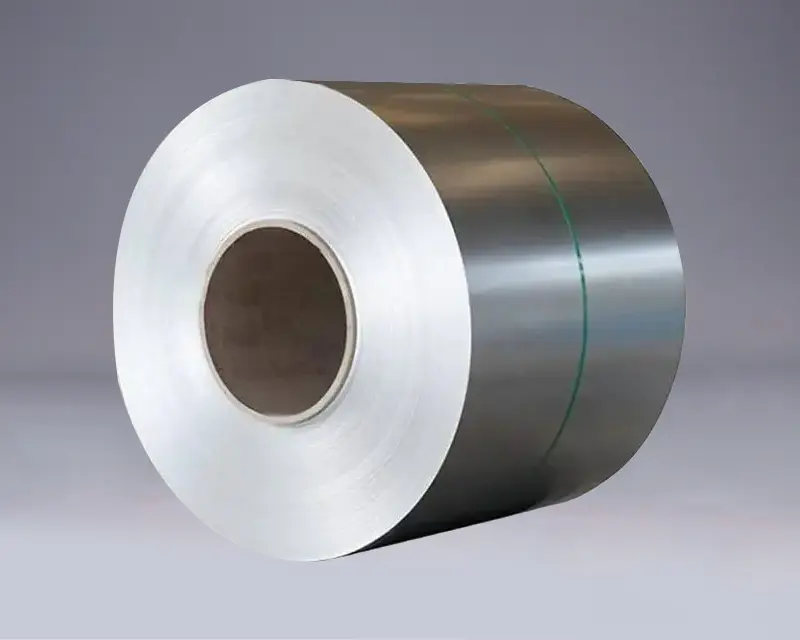
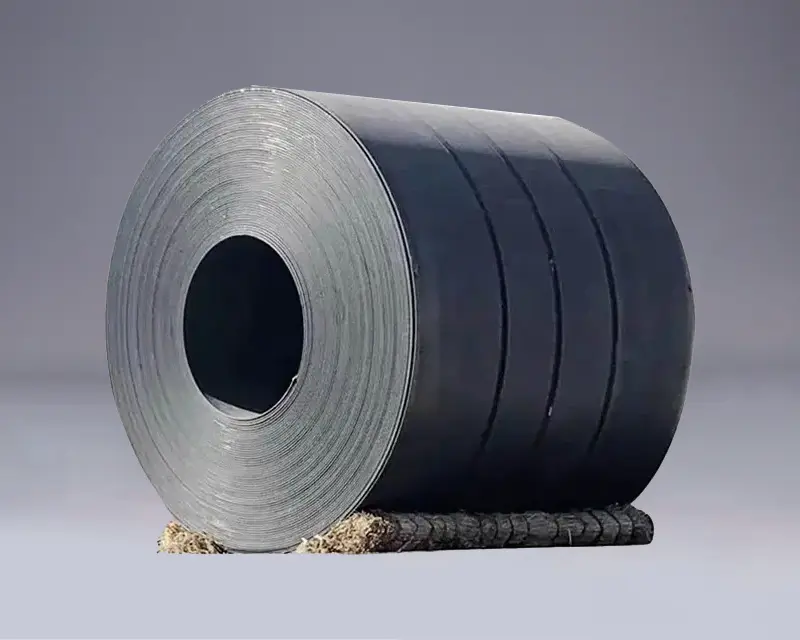
SPCC SD Cold Rolled Steel Coil refers to coil-form steel associated with the SPCC commercial-quality grade and the SD designation commonly used for standard temper and dull surface finish under the Japanese Industrial Standard JIS G 3141.
Cold rolled steel is produced by reducing the thickness of steel through rolling at temperatures below the hot-working range, generally after the hot rolled feedstock has been cleaned and prepared. Additional processing, such as annealing and skin passing, may be used to achieve the required material condition and surface characteristics.
Compared with many hot rolled products, cold rolled steel can offer tighter dimensional control and a more uniform surface. These features are useful when parts require accurate cutting, bending, stamping, painting, or assembly.
However, the suitability of SPCC-SD depends on the final application. Commercial-quality steel should not automatically be treated as an ideal grade for severe deep drawing, high-strength structural use, or corrosive environments without further evaluation.
Understanding the designation helps buyers avoid confusion when comparing quotations, technical data sheets, and mill certificates.
SPCC is a grade designation associated with cold rolled carbon steel sheet and strip under JIS G 3141. It is commonly selected for general-purpose manufacturing where a suitable surface, predictable dimensions, and ordinary forming operations are required.
SPCC is not a universal guarantee of a specific tensile strength, elongation, or forming limit across every thickness and supply condition. The applicable edition of the standard and the supplier's confirmed specifications should govern material acceptance.
In the common JIS G 3141 designation format, S identifies the standard temper condition. Standard-temper products are generally processed to achieve a suitable balance of mechanical and surface characteristics. Buyers should confirm the precise delivery condition in the material specification.
The D designation identifies a dull finish, typically associated with a matte or less reflective surface compared with a bright finish. Surface appearance can influence the results of painting, coating, and other finishing operations, but actual adhesion depends on cleaning, pretreatment, coating chemistry, and process control.
| Designation | Common Meaning | Purchasing Significance |
|---|---|---|
| SPCC | Commercial-quality cold rolled steel | Defines the general steel grade |
| S | Standard temper | Identifies the temper condition |
| D | Dull surface finish | Identifies the intended surface appearance |
| Full specification | Grade, finish, dimensions, and delivery condition | Provides a basis for inspection and acceptance |
Always verify the designation against the standard and documentation named in the purchase contract. Abbreviations, supplementary treatments, and labeling conventions may vary by manufacturer or product specification.
The production process influences thickness accuracy, surface condition, flatness, and the steel's response to forming. Understanding the main stages helps buyers identify the controls that matter most to their products.
Production generally begins with hot rolled steel coil. Depending on the manufacturing route, the feedstock undergoes pickling or another appropriate cleaning process to remove scale and prepare the surface for cold reduction.
The prepared strip passes through rolling stands that reduce its thickness and improve dimensional consistency. Rolling parameters, roll condition, and process control affect thickness variation, surface appearance, and flatness.
Cold working increases strength and reduces ductility. Annealing may be used to restore formability, while skin passing or temper rolling helps refine surface characteristics and control shape. The exact processing route depends on the specified grade and delivery condition.
Finished material is checked against specified requirements before being recoiled and prepared for shipment. Typical checks include thickness, width, surface condition, coil identification, and relevant mechanical or chemical requirements where specified.
For buyers, process transparency matters because defects or inconsistencies at the coil stage can lead to scrap, tooling adjustments, rejected parts, and delivery delays later in production.
Cold rolling supports close thickness control compared with many hot rolled products. Consistent incoming material helps manufacturers set cutting parameters, maintain tooling clearances, and produce repeatable parts. The actual tolerance must still be confirmed for the ordered thickness, width, and applicable standard.
A controlled cold rolled surface can be useful for products that will be painted, coated, or assembled into visible components. The dull finish of SPCC-SD may suit applications that do not require a highly reflective surface. Proper degreasing and pretreatment remain essential for coating performance.
When supplied in an appropriate condition, SPCC can be used for many common cutting, bending, and stamping operations. Successful forming depends on thickness, bend radius, tooling, rolling direction, and part geometry. Production trials are advisable when the design has tight bends or complex features.
Coil supply supports continuous or high-volume processing, including slitting, leveling, blanking, and stamping. Buyers can specify the coil format and downstream processing requirements to reduce handling time and improve material utilization.
SPCC-SD can be considered for general-purpose components where its documented properties meet the application requirements. Its widespread use across metalworking industries makes it a familiar option for many procurement teams and fabricators.
Steel purchasing decisions should be based on documented requirements rather than assumptions about a grade name. Before requesting quotations, identify the mechanical, dimensional, and surface characteristics that are critical to your manufacturing process.
| Specification | Why It Matters | What to Confirm |
|---|---|---|
| Steel grade | Defines the intended material category | SPCC and the applicable standard edition |
| Thickness | Affects forming, strength, and part dimensions | Nominal thickness and allowable tolerance |
| Width | Determines yield and processing compatibility | Required width and width tolerance |
| Coil weight and ID/OD | Affects handling and line compatibility | Maximum coil weight, inner diameter, outer diameter |
| Surface finish | Influences appearance and downstream treatment | Dull finish, surface limits, and any oil requirement |
| Mechanical properties | Influences forming and component performance | Applicable requirements and test results |
| Documentation | Supports traceability and incoming inspection | Mill test certificate and coil identification |
Do not rely on generic online property tables as the final acceptance criteria. Chemical composition, tensile properties, elongation, and hardness requirements should be checked against the governing standard and the supplier's actual material certificate.
If the part requires substantial drawing, demanding forming performance, or guaranteed mechanical properties, discuss the application with the supplier and consider whether another grade or a separately specified material condition is more appropriate.
Several steel products can look similar in a quotation but behave differently during processing. The best choice depends on forming severity, surface requirements, corrosion exposure, strength, and finishing methods.
| Steel Option | Typical Characteristics | Potential Application | Important Consideration |
|---|---|---|---|
| SPCC-SD | Commercial-quality cold rolled steel with dull finish | General formed parts and metal enclosures | Confirm forming requirements and finish |
| SPCC-SB | Commercial-quality cold rolled steel with bright finish | Applications needing a brighter surface | Surface finish does not replace cleaning or coating pretreatment |
| SPCD | Drawing-quality grade under JIS G 3141 | Applications requiring greater drawing capability | Confirm the actual drawing depth and test requirements |
| Hot rolled steel | Produced through hot rolling, often with a less refined surface | Applications where hot rolled properties and tolerances are suitable | Scale, thickness tolerance, and surface requirements differ |
| Galvanized steel | Steel with a zinc-based protective coating | Applications requiring specified corrosion protection | Confirm coating type, mass, and forming compatibility |
These products are not universally interchangeable. For example, a brighter finish does not automatically mean better corrosion resistance, and a cold rolled surface does not provide the same protective function as a specified metallic coating. Any grade substitution should be approved against the part drawing and end-use requirements.
Because of its surface and dimensional characteristics, SPCC-SD is considered for many general manufacturing applications. The final suitability depends on the specified grade, thickness, forming conditions, and required finished-product performance.
Cold rolled steel can be used for cabinet panels, equipment housings, brackets, and internal supports. Accurate dimensions help components fit together during assembly, while the surface can be prepared for an appropriate paint or powder coating system.
Selected appliance components, covers, panels, and metal housings may use cold rolled steel. For visible surfaces, buyers should define appearance standards and inspect the material for scratches, dents, oil marks, and other defects that could remain visible after finishing.
Cabinets, drawers, shelving components, filing systems, and furniture hardware can use cold rolled steel when the grade and thickness meet the structural and forming needs. Product designers should account for bending geometry, joining methods, and the coating system.
Some non-critical brackets, covers, and general formed parts may use commercial-quality cold rolled steel. Automotive applications often involve additional requirements for strength, formability, surface quality, and traceability. A generic SPCC designation should not be assumed to satisfy every automotive specification.
Fabricators may process SPCC-SD into simple stamped parts, machine covers, panels, and miscellaneous components. Slitting and cut-to-length services can also help buyers receive material in formats suited to their production equipment.
Incoming inspection helps manufacturers detect issues before material enters the production line. Inspection criteria should reflect the intended use and be agreed upon before shipment.
Measure dimensions using calibrated instruments and a defined sampling plan. Out-of-tolerance material can affect tool settings, blank dimensions, and assembly accuracy. Confirm both nominal values and the permitted variation in the purchase specification.
Inspect representative areas for scratches, pressure marks, rust, oil contamination, and other visible defects. Define which surface imperfections are acceptable and whether the material will be used for visible or concealed components.
Wavy edges, excessive crown, camber, or poor coil shape may interfere with feeding and leveling. If flatness is important to downstream processing, specify the applicable limits and inspection method rather than relying on a general description.
Check that coil identification matches the order and associated quality documents. Depending on the contract, documentation may include grade, dimensions, heat or lot identification, test results, and applicable standard references.
A competitive unit price is useful only when the supplied material meets the required specifications and arrives in a condition suitable for production. A structured supplier evaluation can reduce purchasing uncertainty.
Ask whether the supplier can provide the required grade, thickness, width, coil weight, and surface condition. If slitting, leveling, or cut-to-length processing is required, confirm available tolerances and the responsibilities of each party.
Request representative mill test certificates or inspection documents and check that they correspond to the supplied product. If a project requires a specific standard or certification, verify that the supplier can provide documentation applicable to that requirement.
Consider material price, processing charges, packaging, inland transportation, freight, insurance where applicable, duties, and potential losses during handling. Coil dimensions and weight should also be compatible with the receiving facility and processing line.
Reliable purchasing requires clear answers about specifications, production schedules, packing, shipment documents, and nonconforming material. Written order confirmation reduces the risk of misunderstandings over dimensions, finish, and delivery conditions.
Fujian Yintu Industrial Co., Ltd. can be included in your supplier inquiry process when evaluating steel sourcing requirements. Buyers should communicate the exact SPCC-SD specification, quantity, dimensions, destination, and documentation needs so that product availability, technical suitability, and commercial terms can be confirmed directly.
Cold rolled steel may be vulnerable to corrosion when moisture remains on the surface or protective oil is insufficient for the storage and transportation conditions. Good handling practices help preserve the material before fabrication.
Store steel in a dry, well-ventilated area and protect it from rain, condensation, and direct contact with wet floors. When cold material enters a warmer environment, allow appropriate temperature equalization where needed to reduce condensation risk.
Check the outer wrapping, straps, coil edges, and identification labels. Record any shipping damage or signs of moisture before the material is moved into production storage. Follow the agreed claims procedure when damage is found.
Coils are heavy and can shift if handled incorrectly. Use lifting equipment and coil-handling methods rated for the load and approved for the specific coil orientation. Avoid impact damage to edges and surfaces.
Protective oil, wrapping, and storage duration should be discussed before ordering. If the finished product requires painting, bonding, or another surface treatment, verify that the selected oil and cleaning procedure are compatible with the downstream process.
Before issuing a purchase order, review the following items with your supplier and production team.
A clear specification helps suppliers quote comparable products and allows receiving teams to check that delivered material matches the order. It also gives both parties a documented basis for resolving quality issues.
It is coil-form cold rolled steel associated with the SPCC commercial-quality grade and the SD designation under JIS G 3141. The designation commonly indicates standard temper and a dull surface finish. The exact supply condition should be confirmed in the order documents.
The principal distinction is the surface finish: D generally indicates dull, while B indicates bright. Both designations relate to SPCC, but the preferred finish depends on appearance and downstream processing requirements.
It can be suitable for many general-purpose forming operations when the thickness, material condition, tooling, and part geometry are appropriate. Severe drawing or demanding forming applications may require a drawing-quality grade or additional validation.
Not inherently. SPCC-SD is a cold rolled steel designation, not a guarantee of a zinc coating or stainless corrosion resistance. Protection depends on the supplied surface treatment, protective oil, storage conditions, and any subsequent coating system.
Provide the grade and standard, thickness, width, quantity, coil dimensions, surface finish, oiling requirements, delivery location, required certificates, and intended application. This information helps the supplier evaluate suitability and prepare a more accurate quotation.
Compare the material labels and mill test certificate with the purchase order. Check dimensions, surface condition, coil identification, and any specified mechanical or chemical requirements using the agreed inspection procedure.
It can be used in many painted applications when the steel grade and surface condition are appropriate. Proper degreasing, pretreatment, coating selection, and process control are essential to achieve the required finish and adhesion.
Buyers can contact Fujian Yintu Industrial Co., Ltd. to discuss their steel sourcing requirements and determine whether the requested product can be supplied. Grade availability, technical specifications, documentation, lead times, and commercial terms should be confirmed directly before placing an order.
Choosing the right cold rolled steel begins with accurate specifications, reliable quality documentation, and a clear understanding of your production requirements.
Contact Fujian Yintu Industrial Co., Ltd. to discuss your required steel grade, thickness, width, order quantity, surface finish, and delivery destination. Share your purchasing specifications to request product details and a quotation tailored to your project requirements.
Contact us today to discuss your SPCC-SD cold rolled steel coil sourcing needs and explore a suitable supply solution for your business.
Confirm product availability, technical requirements, and commercial terms directly with the supplier.