Whatsapp
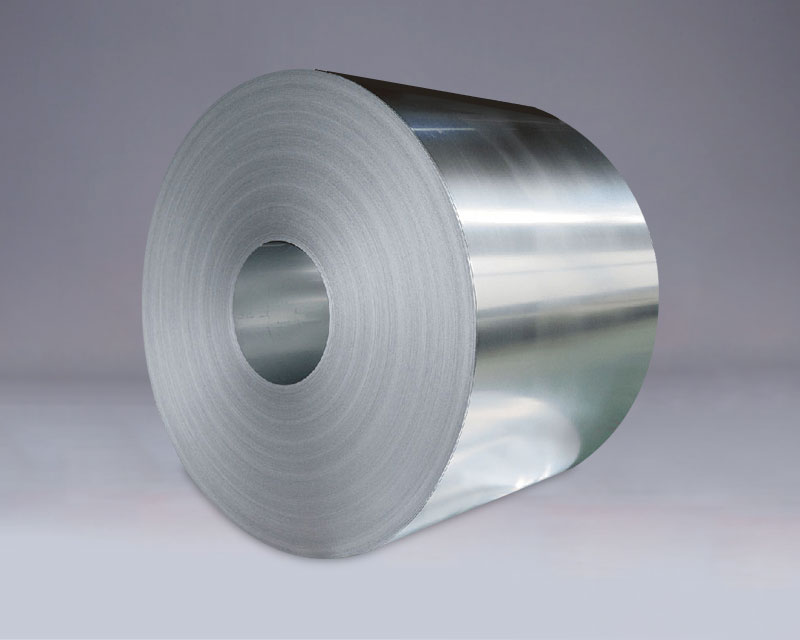
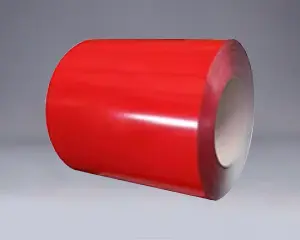
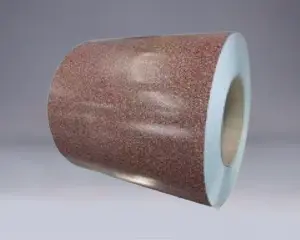
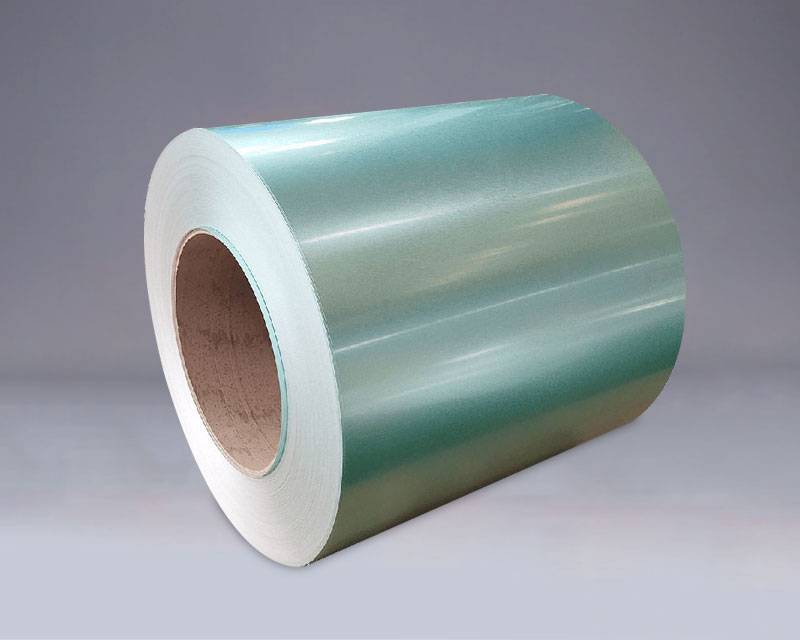
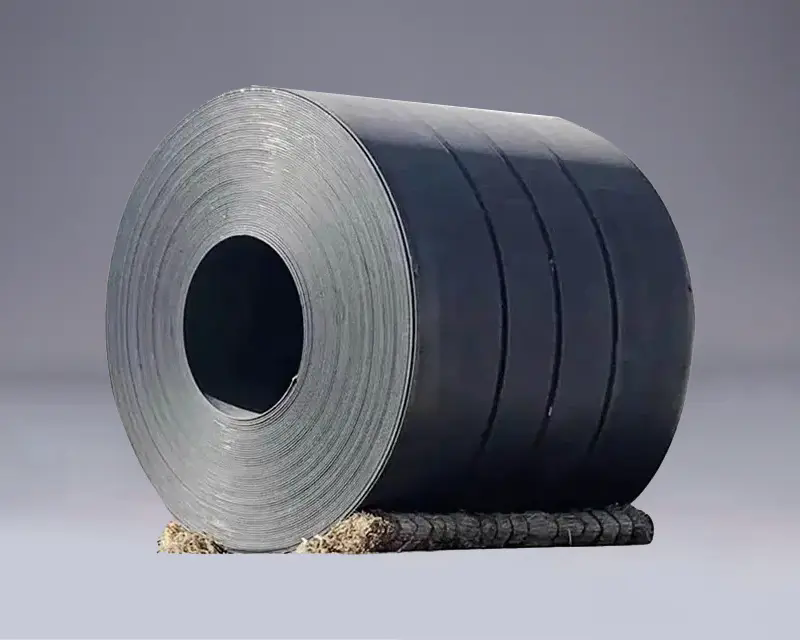
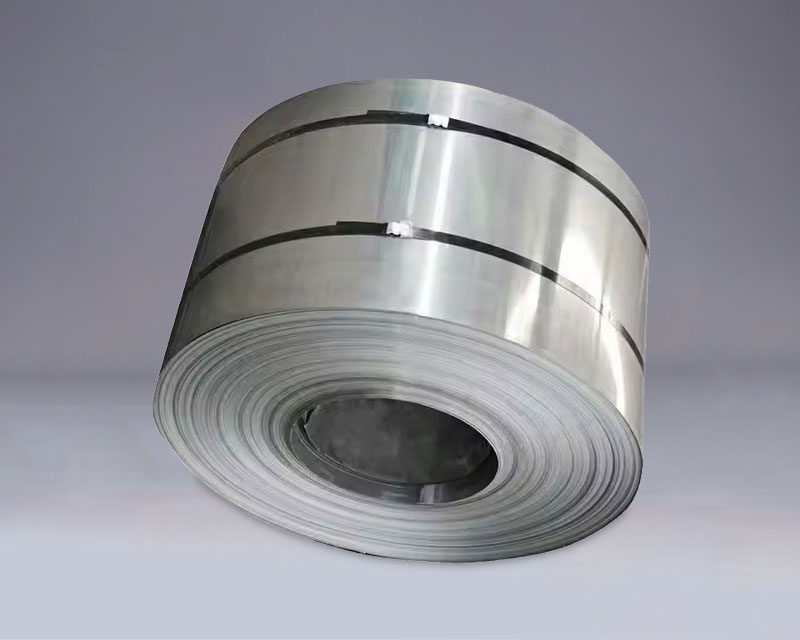
Prepainting Galvanized Steel Coil is a steel coil that has been coated with paint before delivery to the end user. The substrate can be PPGI, PPGL, aluminum plate, or SUS304. The paint system determines how long the coil will maintain its appearance and resist corrosion in a given environment. Choosing the wrong coating for the job leads to premature fading, chalking, or rust. Yintu supplies prepainted galvanized steel coil with PE, SMP, HDP, and PVDF coating options, allowing users to match the coating system to the specific demands of their project.

What PE Coating Offers
Polyester coating is the most common and economical option for prepainted steel. It provides good flexibility, making it suitable for bending, profiling, and roll forming without cracking. The coating adheres well to the galvanized substrate and delivers a smooth, uniform surface in a wide range of RAL colors.
Where PE Performs Well
PE coating is suitable for indoor applications and outdoor environments with moderate weather conditions. It works well for interior wall panels, ceiling tiles, appliance housings, and signage where exposure to intense sunlight or corrosive elements is limited. In these settings, PE coating provides reliable appearance and protection at a competitive cost.
Limitations to Consider
PE coating has lower resistance to ultraviolet radiation compared to higher-grade coatings. In regions with strong sunlight, high temperatures, or heavy industrial pollution, PE-coated steel may fade or chalk faster. For buildings in coastal areas or heavily polluted zones, a more durable coating system is recommended.
What SMP Coating Offers
Silicone-modified polyester builds on the flexibility of standard polyester by adding silicone resin to the formulation. This modification improves the coating’s resistance to heat and enhances its durability against ultraviolet exposure. SMP coating maintains much of the formability of PE, allowing it to be used in similar profiling and bending operations.
Where SMP Performs Well
SMP coating is suitable for outdoor applications that experience moderate to high temperatures. It performs better than standard PE in sunny climates and industrial settings where heat buildup on metal surfaces can accelerate coating degradation. Roofing and wall cladding in warm regions benefit from the improved thermal stability of SMP.
Limitations to Consider
SMP coating offers improved performance over PE but does not match the long-term weather resistance of HDP or PVDF. In highly corrosive environments or areas with extreme UV exposure, SMP may still degrade faster than premium coating systems. It represents a middle ground between economy and high durability.
What HDP Coating Offers
High-durability polyester is formulated with additives that improve resistance to ultraviolet radiation, moisture, and temperature variation. HDP coating maintains good flexibility for forming operations while offering significantly better color retention and gloss retention than standard PE or SMP.
Where HDP Performs Well
HDP coating is suitable for outdoor building products that require long-term appearance retention. It is commonly used for roofing, wall cladding, and architectural panels in commercial and industrial buildings. In environments with strong sunlight, moderate pollution, or temperature fluctuations, HDP provides reliable performance over extended periods.
Limitations to Consider
HDP coating offers strong performance in most outdoor environments but may not provide the same level of chemical resistance as PVDF in highly aggressive industrial or coastal settings. For projects specifying the longest possible service life, PVDF remains the premium choice.
What PVDF Coating Offers
Polyvinylidene fluoride coating is the highest-performance option for prepainted steel. It uses a fluoropolymer resin that resists ultraviolet degradation, chemical attack, and chalking. PVDF coating retains its color and gloss longer than any other coating type, making it the standard choice for architectural projects with demanding requirements.
Where PVDF Performs Well
PVDF coating is designed for environments with intense sunlight, high humidity, salt spray, or industrial pollution. Coastal buildings, high-altitude installations, and structures in tropical or desert climates benefit from the exceptional weather resistance of PVDF. It is also used for high-profile architectural projects where long-term appearance is critical and recoating is impractical.
Limitations to Consider
PVDF coating carries a higher cost than PE, SMP, or HDP. The improved performance justifies the investment in projects where access for maintenance is difficult or where the building’s appearance must be preserved for decades. For short-term or indoor applications, the premium cost of PVDF may not be necessary.
Indoor and Sheltered Applications
For interior wall panels, ceilings, appliance housings, and signage, PE coating provides adequate protection and appearance. The absence of direct sunlight and weather exposure means the coating does not face the degradation factors that affect outdoor installations.
Moderate Outdoor Environments
For buildings in temperate climates with moderate sunlight and low pollution, SMP or HDP coating offers a balance of performance and cost. These coatings resist fading and chalking better than standard PE while remaining more affordable than PVDF.
Harsh Outdoor Environments
For coastal areas, industrial zones, tropical climates, or high-altitude installations, PVDF coating delivers the longest service life. The fluoropolymer resin resists salt spray, chemical pollutants, and intense ultraviolet radiation that would degrade other coating types.
Color and Gloss Selection
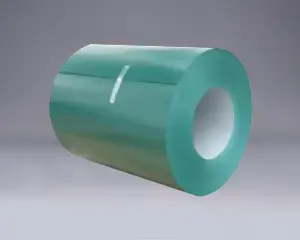
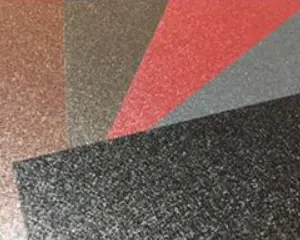
Yintu offers coating colors matched to RAL color standards. Gloss levels include light gloss (≤40) and mid gloss (>40 to ≤70). The choice of color and gloss affects both the appearance and the heat absorption of the finished product. Lighter colors reflect more sunlight and remain cooler, while darker colors absorb more heat. Gloss level influences how the surface reflects light and how visible minor surface imperfections become.
| Parameter | Specification |
|---|---|
| Substrate | PPGI & PPGL; aluminum plate; SUS304 |
| Substrate Thickness | 0.18mm – 1.2mm |
| Width | 1000mm, 1200mm, 1250mm |
| Zinc Coating | Z 40 g/m² to Z 275 g/m² or AZ 40 g/m² to AZ 275 g/m² |
| Coat Material | PE; SMP; HDP; PVDF |
| Coat Thickness | Primer + top paint / bottom (μm) |
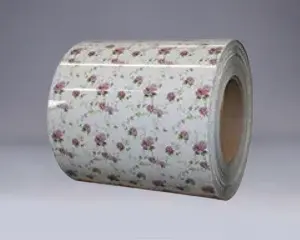
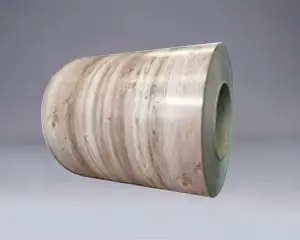
| Surface Type | Normal surface; printing pattern; reticulate pattern |
| Coating Color | RAL color |
| Gloss | ≤40 (light gloss); >40 to ≤70 (mid gloss) |
Contact Yintu for coating samples, color matching, or technical support for Prepainting Galvanized Steel Coil.